Blog

Tooth Pain
Blog

Wisdom Tooth Pain: Causes, Symptoms and Treatment Options

Do Not Ignore the Signs Treat the Cause Get Started Please enable JavaScript in your browser to complete this form.Please enable JavaScript in your browser to complete this form.Name *Phone NumberEmail *Comment or Message Submit Wisdom Tooth Pain: Causes, Symptoms and Treatment Options Wisdom tooth pain often begins subtly, with a dull ache at the back of the jaw that is easy to ignore at first. Over time, that discomfort can intensify and start affecting everyday activities such as eating, speaking, or even sleeping for many people, the pain becomes most noticeable at night, when pressure builds and there are no distractions. What starts as mild irritation can quickly turn into swelling, stiffness, and sharp discomfort that disrupts routine. This condition is often misunderstood because wisdom teeth do not behave the same way in every case. Some emerge without causing any issues, while others lead to repeated pain, infection, or pressure on nearby teeth. Understanding the cause of wisdom tooth pain and knowing when to seek treatment can help prevent complications and provide faster relief. Read More: Jawline Contouring Without Surgery: HIFU, Fillers or Botox? What Is Wisdom Tooth Pain? Wisdom teeth are the last molars to develop and usually appear between the ages of 18 and 25. By this stage, most jaws already have limited space available. When there is not enough room, the tooth may: Grow at an angle instead of straight Remain partially trapped under the gum Push against adjacent teeth This condition is called impaction. In simple terms, it means the tooth cannot fully erupt into its correct position. Impacted or partially erupted wisdom teeth create pressure within the jaw, leading to inflammation, discomfort, and, in many cases, persistent pain. Why Wisdom Teeth Are Difficult to Clean Wisdom teeth are located at the very back of the mouth, which makes them difficult to reach with a toothbrush or floss. Because of this: Food particles become trapped easily Plaque builds up more quickly Bacteria accumulate in hard-to-reach areas This increases the risk of infection and decay, especially when the tooth has only partially erupted. Read More: Root Canal Treatment Common Causes of Wisdom Tooth Pain Identifying the cause of pain is essential for selecting the right treatment. Impaction The tooth is unable to emerge fully and remains stuck under the gum or bone, creating pressure and discomfort. Infection (Pericoronitis) A partially erupted tooth can form a gum flap where food and bacteria collect, leading to infection. Crowding The wisdom tooth may push against nearby teeth, causing discomfort and alignment issues. Tooth Decay Limited access for cleaning makes wisdom teeth more prone to cavities. Gum Inflammation Swelling around the tooth can cause continuous pain and discomfort, especially while chewing. Read More: Top 3 Skin Treatments for a Glow‑Up Before Big Events Symptoms You Should Not Ignore Wisdom tooth pain is often accompanied by additional symptoms that indicate a deeper issue. Persistent pain at the back of the mouth Swelling in the gums or jaw Difficulty opening the mouth fully Pain while chewing Bad taste or unpleasant odor Headaches or ear discomfort If these symptoms continue or worsen, professional evaluation is necessary. Benefits of Early Treatment Early treatment helps prevent complications and improves overall comfort. Faster relief by addressing the root cause Reduced risk of infection spreading Protection of surrounding teeth and gums Simpler treatment when managed early Better long-term oral health outcomes Step-by-Step Treatment Process Understanding the treatment process can make the experience more predictable and less stressful. Consultation and Examination A detailed clinical assessment is performed to evaluate your symptoms and oral condition. Diagnostic Imaging Digital X-rays are used to determine the position of the tooth and identify impaction or infection. Treatment Planning A personalized plan is created based on your condition. This may involve monitoring, medication, or removal. Procedure Mild cases may require cleaning and medication Impacted or problematic teeth may require extraction Recovery and Aftercare Most patients recover within a few days. Complete healing typically occurs within two weeks after extraction. Choosing the Right Treatment The right treatment depends on the severity and cause of the issue. Mild discomfort can be managed with monitoring and improved oral hygiene Local infection requires medication and targeted treatment Impacted or recurring pain often requires removal The goal is to resolve the issue effectively while preventing future complications. If you are experiencing wisdom tooth pain in Lahore, do not wait for it to worsen or become more difficult to treat.Visit the Defence Dental and Aesthetic Center for a detailed evaluation and get the right treatment before complications develop. Read More: Chemical Peels 101: Choosing the Right Peel for Your Skin Who Should Seek Treatment You should consult a dentist if you: Have persistent or recurring pain Notice swelling or signs of infection Experience difficulty chewing or opening your mouth Feel pressure in the back of your jaw Early diagnosis leads to simpler and more effective treatment. Expected Results After Treatment Once treated appropriately: Pain reduces quickly Swelling subsides within a few days Normal function returns Risk of recurrence is minimized Why Choose DDAC in Lahore At the Defence Dental and Aesthetic Center in Lahore, Pakistan, dental care is focused on accurate diagnosis and patient comfort. Advanced diagnostic tools for precise assessment Clear explanation of your condition and treatment options Minimally invasive techniques whenever possible Focus on long-term solutions rather than temporary relief Patients across Lahore and Pakistan trust DDAC for reliable and well-planned dental care. Wisdom tooth pain is not just discomfort. It is often a sign of an underlying issue that will not resolve on its own. Delaying treatment can lead to infection, increased pain, and more complicated procedures. At the DDAC clinic in Lahore, every case is carefully evaluated to provide fast relief and the most effective long-term solution. Book your consultation today and address the problem before it worsens. Disclaimer This content is for informational purposes only. Individual dental conditions vary. Always consult a qualified dentist for proper diagnosis and treatment. FAQ’s Does wisdom tooth
Jawline Contouring
Blog

Jawline Contouring Without Surgery: HIFU, Fillers or Botox?

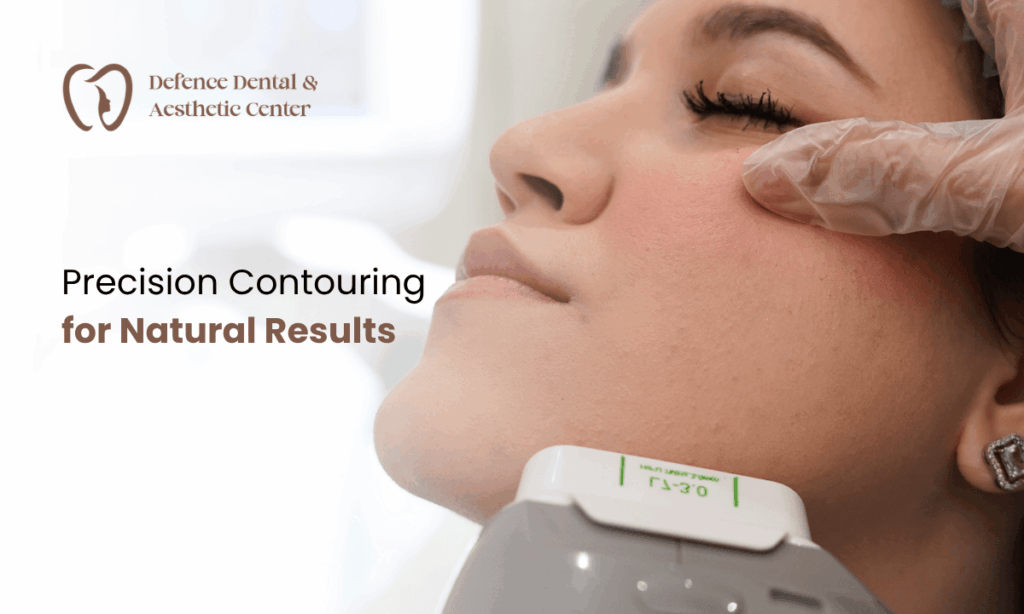
Precision Contouring for Natural Results Get Started Please enable JavaScript in your browser to complete this form.Please enable JavaScript in your browser to complete this form.Name *Phone NumberEmail *Comment or Message Submit Jawline Contouring Without Surgery: HIFU, Fillers or Botox? A well-defined jawline does more than shape the face. It influences how your entire appearance is perceived by adding structure, symmetry, and clarity to your features. Over time, many people begin to notice subtle changes. The jawline may look softer, the lower face may feel heavier, or definition may gradually fade. These changes are natural, but they often lead to concerns about facial appearance and confidence. In the past, improving the jawline meant surgery. Today, jawline contouring without surgery offers effective alternatives that are less invasive and more adaptable to individual needs. Treatments such as HIFU, dermal fillers, and Botox are designed to address specific concerns such as loose skin, lack of structure, or muscle bulk. The key is choosing the right approach based on your facial anatomy. Read More: Root Canal Treatment What Non-Surgical Jawline Enhancement Means Jawline contouring without surgery focuses on improving definition, structure, and proportion without altering your natural features. Instead of using a single method, modern aesthetic treatments target the underlying cause of the concern. For some individuals, reduced definition is linked to skin laxity. For others, it may result from weak structural support or increased muscle activity in the lower face. By addressing these factors individually, treatments provide results that look natural and harmonious with the rest of the face. Understanding the Treatment Options Although often grouped together, HIFU, fillers, and Botox work in different ways and serve different purposes. HIFU (High-Intensity Focused Ultrasound) uses ultrasound energy to stimulate collagen production deep within the skin. This helps tighten and lift areas where the skin has started to loosen. Dermal fillers are injectable gels that add volume and structure. They are used to enhance the shape of the jawline by improving projection and definition. Botox works by relaxing targeted muscles. In the jaw area, it reduces bulk caused by enlarged muscles, creating a slimmer and more contoured appearance. A well-planned treatment depends on identifying which of these concerns is affecting your jawline. Read More: Pigmentation in Pakistani Skin: Causes and Treatments Benefits of Jawline Contouring Without Surgery Non-surgical jawline contouring offers a practical way to improve facial definition without the risks associated with surgery. No surgical intervention, which means no incisions or visible scars A quick return to routine with minimal disruption A customizable approach based on facial structure and goals Natural-looking results that enhance your features Improved facial harmony through better definition Step-by-Step Process A successful treatment outcome depends on careful planning and precision. Consultation and Assessment A detailed evaluation is performed to assess facial proportions, skin quality, and muscle activity. Treatment Planning A personalized plan is created based on your concerns. In some cases, a combination of treatments may be recommended. Procedure The selected treatment is performed with a focus on proportion and symmetry. Aftercare and Follow-Up Minimal aftercare is required. Follow-up ensures that results develop as expected. Read More: Top 3 Skin Treatments for a Glow‑Up Before Big Events Choosing the Right Approach Selecting the right treatment depends on identifying the underlying concern. Loose or sagging skin requires tightening Lack of definition requires structural enhancement A wider or heavier lower face may benefit from muscle reduction In many cases, combining treatments produces a more natural and well-defined result. Who Is an Ideal Candidate? You may be a suitable candidate if you: Prefer non-surgical facial enhancement Notice reduced definition along the jawline Experience mild sagging or asymmetry Want subtle improvements rather than dramatic changes These treatments are suitable for a wide range of individuals when planned correctly. Read More: Chemical Peels 101: Choosing the Right Peel for Your Skin Expected Results Results vary depending on the treatment and individual anatomy. Some treatments provide immediate improvement Others develop gradually over time The aim is to enhance your natural features while maintaining a well-defined and proportionate appearance. If you are noticing a loss of definition or changes in your jawline, it is best to address it early.Visit DDAC in Lahore for a professional consultation and get a treatment plan tailored specifically to your facial structure. Why Choose DDAC At DDAC in Lahore, Pakistan, aesthetic treatments are planned with clinical precision and attention to detail. Every treatment begins with a thorough consultation Recommendations are based on facial analysis rather than trends Focus remains on natural-looking outcomes Only necessary procedures are advised Patients across Lahore and Pakistan trust DDAC for reliable and well-planned aesthetic care. If you are concerned about facial heaviness or reduced jawline definition, early treatment can make a noticeable difference. At Defence Dental and Aesthetic Center, Lahore, each treatment plan is designed according to your facial structure and long-term goals. Book your consultation today and take the first step toward a more defined and confident appearance. Disclaimer This content is for informational purposes only. Individual facial anatomy and treatment outcomes vary. It is recommended to consult a qualified aesthetic professional before undergoing any procedure. FAQ’s Is jawline contouring without surgery safe? Yes. It is safe when performed by qualified professionals using appropriate techniques. Which treatment provides the fastest results? Dermal fillers typically provide immediate results, while HIFU and Botox develop gradually. Is there any downtime? Most treatments allow a quick return to routine with little to no downtime. Can treatments be combined? Yes. Combination approaches often provide more natural-looking results. How long do results last? The duration depends on the treatment type and individual response. Yes. It is safe when performed by qualified professionals using appropriate techniques. Dermal fillers typically provide immediate results, while HIFU and Botox develop gradually. Most treatments allow a quick return to routine with little to no downtime. Yes. Combination approaches often provide more natural-looking results. The duration depends on the treatment type and individual response. Jawline Contouring Without Surgery: HIFU, Fillers or Botox?

Root Canal Treatment
Blog

Root Canal Treatment

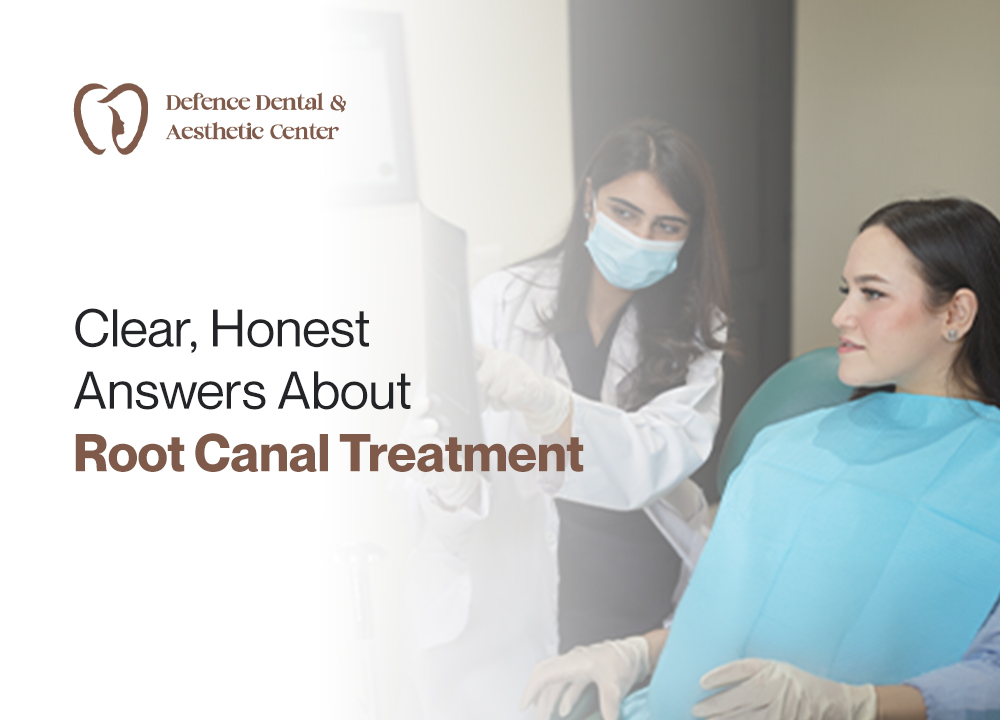
Clear, Honest Answers About Root Canal Treatment Get Started Please enable JavaScript in your browser to complete this form.Please enable JavaScript in your browser to complete this form.Name *Phone NumberEmail *Comment or Message Submit Root Canal Treatment in Lahore Root canal treatment is one of the most misunderstood dental procedures. Many patients in Lahore delay care out of fear — yet modern techniques have made this procedure safe, precise, and comfortable. At Defence Dental & Aesthetic Center (DDAC), the truth is simple: a root canal relieves pain rather than causing it. Read More: Pigmentation in Pakistani Skin: Causes and Treatments What Is Root Canal Treatment? Each tooth contains a soft inner tissue called the pulp — a network of nerves and blood vessels. When bacteria penetrate this pulp through deep decay, cracks, or injury, infection sets in, causing pain, swelling, and serious health complications. Root canal treatment — clinically known as endodontic therapy — removes the infected pulp, disinfects the inner canals, and seals the tooth so it continues functioning normally. The outer structure of the tooth is preserved entirely. DDAC | At DDAC Lahore, root canal treatment is performed using modern endodontic techniques that prioritise patient comfort and clinical precision at every step. Note: The information above is for general awareness only and does not replace a clinical consultation. Please visit DDAC or a qualified dental professional for personalised advice. Read More: Top 3 Skin Treatments for a Glow‑Up Before Big Events Why Saving Your Natural Tooth Matters Preserving your natural tooth is always the preferred option in dentistry. The benefits extend far beyond aesthetics: Chewing Efficiency: Natural teeth maintain optimal bite force and distribution that no replacement can fully replicate. Alignment Stability: Removing a tooth causes adjacent teeth to shift, affecting your bite and smile over time. Bone Preservation: Tooth roots stimulate the jawbone. Extraction leads to gradual bone loss beneath the gumline. Cost Effectiveness: Saving the tooth today avoids more complex and expensive replacements like implants or bridges later. DDAC | DDAC’s clinical team in Lahore always evaluates every option to save your natural tooth before considering extraction — because your long-term oral health matters most. Note: The information above is for general awareness only and does not replace a clinical consultation. Please visit DDAC or a qualified dental professional for personalised advice. What Causes the Need for Root Canal Treatment? Several conditions can allow bacteria to reach the pulp of a tooth. Understanding these causes helps patients in Lahore take preventive steps: Untreated Tooth Decay: Cavities left too long eventually breach the inner pulp chamber. Cracks or Fractures: Even hairline cracks from biting hard foods or injury can let bacteria in. Repeated Dental Work: Multiple procedures on the same tooth can weaken its structure over time. Dental Trauma: A fall or blow to the mouth can damage pulp even with no visible crack. Faulty Crowns or Restorations: Poor sealing creates pathways for bacteria to enter deep within the tooth. Note: The information above is for general awareness only and does not replace a clinical consultation. Please visit DDAC or a qualified dental professional for personalised advice. Read More: Chemical Peels 101: Choosing the Right Peel for Your Skin Signs You May Need Root Canal Treatment Do not ignore these warning signals. Early treatment at DDAC prevents the infection from spreading to surrounding teeth and bone: Persistent Tooth Pain: Deep, throbbing pain that does not go away — especially unprompted — is a key indicator. Lingering Sensitivity: Hot or cold sensitivity that persists long after the food or drink is gone suggests nerve involvement. Swollen or Tender Gums: Localised swelling or a small bump on the gum near a tooth may signal an abscess below. Tooth Discolouration: A darkening or graying of a tooth from the inside can indicate that the pulp has died. DDAC | If you are experiencing any of these symptoms, book a consultation at DDAC Lahore today. Early diagnosis means simpler treatment, less cost, and better outcomes. Note: The information above is for general awareness only and does not replace a clinical consultation. Please visit DDAC or a qualified dental professional for personalised advice. How Root Canal Treatment Works — Step by Step At Defence Dental & Aesthetic Center, root canal treatment follows a structured, patient-centred process designed to ensure comfort and clinical accuracy: Examination & Imaging: Digital X-rays map the canals and assess the extent of infection before treatment begins. Local Anaesthesia: The area is fully numbed. Most DDAC patients feel no pain at all during the procedure. Access & Pulp Removal: A small opening in the tooth crown provides access to remove the infected pulp tissue. Cleaning & Shaping: Each canal is carefully cleaned, disinfected, and shaped using precision instruments. Sealing the Tooth: Canals are filled with biocompatible gutta-percha and sealed to prevent reinfection. Crown Restoration: A dental crown is placed within 6 months to restore full strength, function, and appearance. DDAC | DDAC uses advanced rotary endodontic instruments and digital imaging to ensure every step is precise, comfortable, and predictable — from the first appointment to full restoration. Note: The information above is for general awareness only and does not replace a clinical consultation. Please visit DDAC or a qualified dental professional for personalised advice. Is Root Canal Treatment Painful? Myths vs. Facts Fear of pain is the number one reason patients in Lahore delay treatment — often making the situation far worse. Here is the reality: MYTH FACT Root canal treatment is extremely painful and something to dread. With modern anaesthesia at DDAC, most patients feel little to no discomfort during the procedure. It is better to pull the tooth than go through a root canal. DDAC dentists always prefer to save the natural tooth. Extraction causes long-term complications. Root canals require many visits and take a very long time. Most DDAC root canal treatments are completed in one or two visits of 30–60 minutes each. A treated tooth will never work the same after treatment. With a

Hydrafacial Care
Blog

Summer Glow Starts with Hydrafacial Care

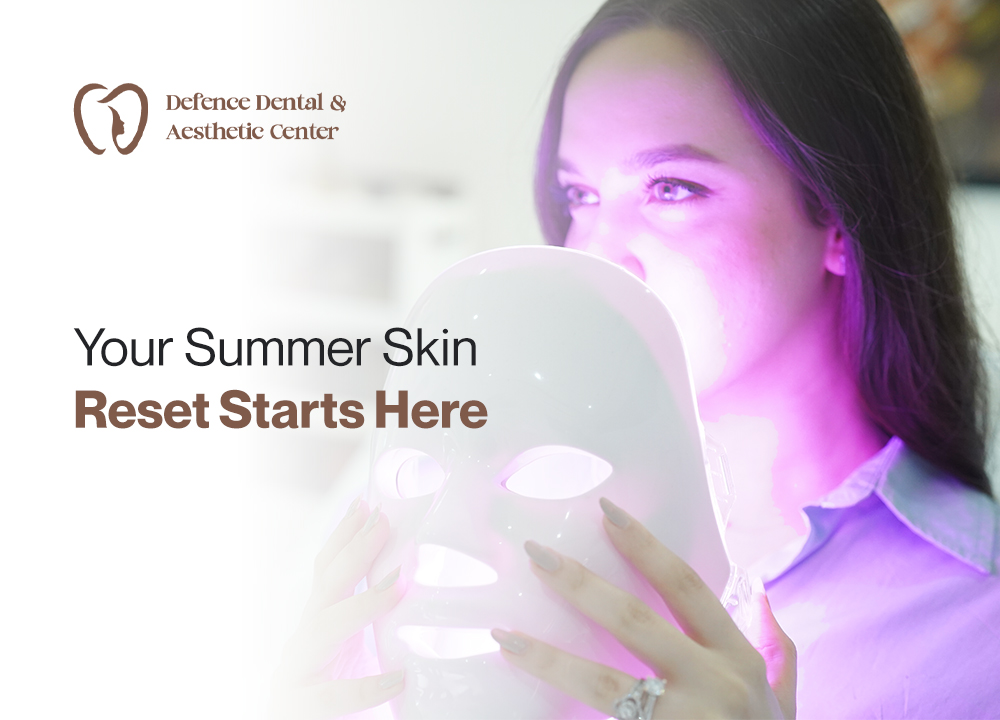
Your Summer Skin Reset Starts Here Get Started Please enable JavaScript in your browser to complete this form.Please enable JavaScript in your browser to complete this form.Name *Phone NumberEmail *Comment or Message Submit Why Hydrafacial in Lahore Is the Best Treatment for Summer Skin Summer in Lahore brings intense heat, humidity and pollution, all of which can significantly impact your skin. Increased sweating, oil production and environmental exposure often lead to clogged pores, dullness and unexpected breakouts. In cities like Lahore, where harsh weather conditions are part of daily life, maintaining healthy skin becomes a challenge. This is why Hydrafacial in Lahore has become one of the most recommended treatments for summer skincare. It offers a gentle yet effective solution to cleanse, hydrate and restore your skin in a single session. At Defence Dental & Aesthetic Center (DDAC), Hydrafacial treatments are tailored to your skin type and concerns, ensuring safe, clinically guided and visible results even during peak summer. Read More: Top Dental Treatments in Ramadan at DDAC What Summer Does to Your Skin Hot weather increases oil production, which mixes with sweat and environmental pollutants, leading to clogged pores and congestion. At the same time, continuous sun exposure strips the skin of moisture, leaving it dehydrated beneath the surface. This imbalance commonly results in: Acne and breakouts Blackheads and clogged pores Uneven skin tone and tanning Rough, dull or tired-looking skin For people living in Lahore, these issues are even more pronounced due to pollution and high temperatures. A basic skincare routine may not be enough to fully manage these concerns. Read More: Pigmentation in Pakistani Skin: Causes and Treatments What Is a Hydrafacial and How It Works A Hydrafacial is a non-invasive, multi-step skin treatment that deeply cleanses, exfoliates, extracts impurities and infuses the skin with hydrating serums. Step-by-Step Process Gentle exfoliation to remove dead skin cells Deep cleansing of pores Extraction of blackheads and impurities Infusion of hydrating and antioxidant-rich serums LED light therapy to soothe, repair and enhance results Unlike traditional facials, Hydrafacial uses a device-based system instead of harsh manual techniques. This makes it safe, controlled and suitable for almost all skin types. Why Hydrafacial is Ideal During Summers Clears Pores Without Irritation Excess oil and sweat can quickly clog pores in a hot climate. Hydrafacial removes buildup gently without damaging the skin barrier. Restores Lost Hydration Even if your skin feels oily, it can still be dehydrated. Hydrafacial restores moisture balance, leaving your skin soft and refreshed. Delivers Instant Glow Hydrafacial provides immediate radiance, making it ideal for summer events, gatherings and everyday confidence. Helps Control Breakouts By keeping pores clean and reducing congestion, Hydrafacial minimizes the chances of acne during hot weather. Improves Skin Texture and Tone Sun exposure and pollution often cause uneven skin tone. Regular Hydrafacial sessions help smooth and brighten the skin. Enhanced Results with LED Light Therapy At DDAC, Hydrafacial treatments are complemented with LED light therapy to target specific skin concerns. Blue light helps reduce acne-causing bacteria Red light supports collagen production and skin repair It calms inflammation and enhances recovery after treatment This added step improves overall results, especially for individuals dealing with acne, sensitivity or dull skin during summers. Read More: Top 3 Skin Treatments for a Glow‑Up Before Big Events Hydrafacial vs Regular Facials in Summer Traditional facials may involve heavy creams and aggressive manual techniques, which can feel uncomfortable during hot weather and may clog pores further. Hydrafacial, on the other hand, is lightweight, hydration-focused and more controlled. It works with your skin rather than against it, making it a more suitable option for summer skincare. Who Should Consider Hydrafacial Hydrafacial is ideal for individuals experiencing: Oily or acne-prone skin Dull or tired-looking skin Uneven tone from sun exposure Frequent summer breakouts It is also suitable for anyone looking for a quick, safe and effective skin refresh without downtime. What to Avoid for Your Skin in Summer Maintaining healthy skin is not only about treatments but also about avoiding common mistakes: Heavy, pore-clogging creams Over-exfoliation that damages the skin barrier Skipping sunscreen during sun exposure Trying harsh DIY treatments Ignoring hydration Combining good skincare habits with professional treatments like Hydrafacial ensures better long-term results. How Often Should You Get a Hydrafacial For most individuals, getting a Hydrafacial every three to four weeks is recommended to maintain clear, hydrated and glowing skin during summer. Regular sessions help prevent buildup and support consistent skin health. Why Choose Defence Dental & Aesthetic Center for Hydrafacial in Lahore At Defence Dental & Aesthetic Center, Hydrafacial treatments are performed under clinically guided protocols and tailored to your individual skin needs. What Sets DDAC Apart Personalized treatment plans Advanced skincare technology Incorporation of LED light therapy for enhanced results Hygienic and safe clinical environment Experienced and trained professionals Consistent and visible outcomes This ensures that your skin receives the right care, especially in Lahore’s demanding summer conditions. Read More: Chemical Peels 101: Choosing the Right Peel for Your Skin Final Thoughts on Summer Skincare Taking care of your skin during summer does not need to be complicated. Instead of layering multiple products or trying harsh treatments, Hydrafacial offers a balanced and effective solution. By combining cleansing, hydration and protection in one session, it helps your skin stay healthy, refreshed and radiant even in extreme weather conditions. If you are considering a reliable and effective Hydrafacial in Lahore, choosing a professionally guided treatment at DDAC can make a noticeable difference in your skin’s health and appearance. Disclaimer This content is for informational purposes only. Individual skin types and concerns vary, so it is recommended to consult a qualified skincare professional before choosing any treatment. FAQs Is Hydrafacial safe during summer? Yes, Hydrafacial is safe and effective in summer as it helps control oil and restore hydration. How long do Hydrafacial results last? Results typically last between three to four weeks depending on your skin type. Is Hydrafacial suitable for oily skin in summer weather? Yes, it is highly beneficial for

Collagen Boosters
Blog

Collagen Boosters for a Radiant Eid Look

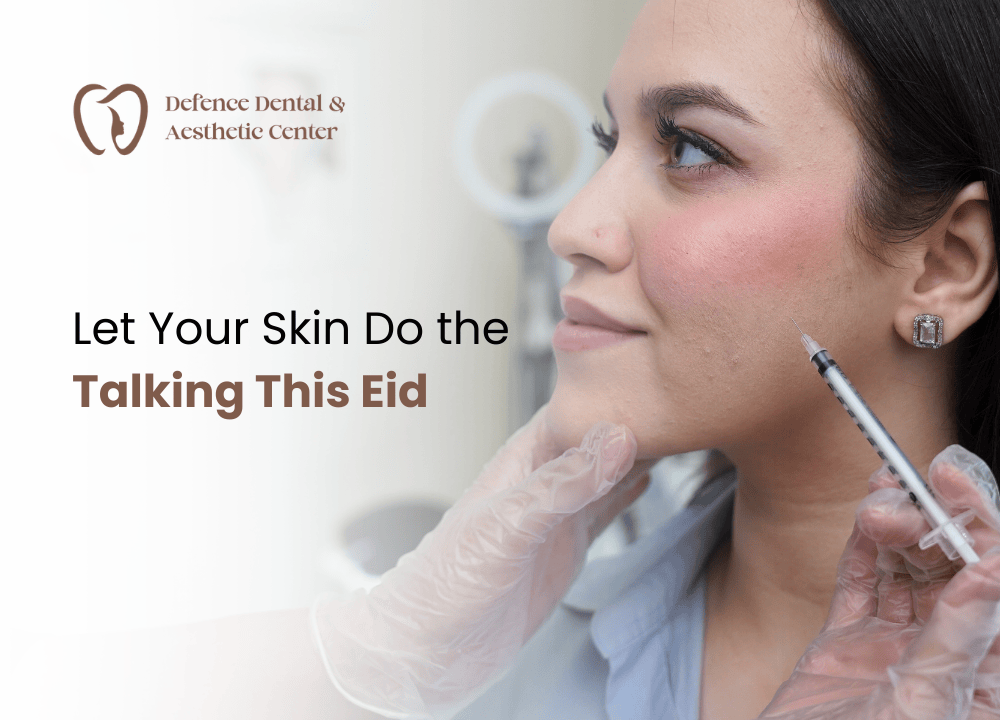
Let Your Skin Do the Talking This Eid Get Started Please enable JavaScript in your browser to complete this form.Please enable JavaScript in your browser to complete this form.Name *Phone NumberEmail *Comment or Message Submit Collagen Boosters for a Radiant Eid Look Eid preparations usually involve shopping, planning outfits, and getting ready for family gatherings. But many people also want their skin to look fresh and glowing for the celebrations. By the end of Ramadan, changes in sleep, hydration, and daily routines can make skin look dull or tired. If you have noticed dryness, uneven texture, or early fine lines, you are not alone. A natural Eid glow does not always require heavy makeup or drastic procedures. Treatments like collagen boosters focus on improving skin quality gradually, helping the skin look healthier and more refreshed while maintaining natural facial expressions. Why Skin Often Looks Tired by the End of Ramadan Ramadan brings meaningful spiritual routines, but it can also affect daily habits that influence skin health. Several factors may contribute to dull or dehydrated skin during this time: Changes in sleep schedules Reduced daytime hydration Altered meal timings Increased sun exposure during daily activities When hydration and sleep patterns change, the skin barrier can become less stable. This may lead to dryness, uneven tone, or a lack of brightness. That is why many dermatologists recommend focusing on skin quality treatments, especially when preparing for events like Eid. What Collagen Boosters Actually Do Collagen is the protein responsible for skin strength, elasticity, and smoothness. As collagen production slows with age and environmental stress, the skin may gradually lose firmness. Collagen boosters are aesthetic treatments designed to stimulate the skin’s natural collagen production. Instead of simply filling lines, these treatments encourage fibroblast cells to produce new collagen fibers. Over time, this process can improve: Skin firmness Texture and smoothness Overall skin quality Subtle volume support Because the treatment works with the body’s natural processes, results appear gradually rather than instantly. What Results Can You Expect in 2 Weeks? If Eid is only two weeks away, it is important to set realistic expectations. After collagen boosters, the most visible changes usually appear gradually as new collagen forms. Early improvements may include slight skin plumping due to hydration or temporary swelling after treatment. The deeper structural benefits typically develop over several weeks to months. However, beginning collagen stimulation even two weeks before Eid can still be beneficial because it supports long-term skin improvement beyond the festive season. Smart Skin Planning When Eid Is Close If you are planning skin treatments shortly before Eid, dermatologists usually recommend combining long-term treatments with gentle skin-refreshing procedures. Two Weeks Before Eid This is still a reasonable time to consider: Consultation for collagen boosters Skin hydration treatments Medical-grade facials Microneedling or mild Rejuvenation procedures One Week Before Eid At this stage, focus on calming treatments such as: Hydrating facials• Barrier-repair skincare• Gentle exfoliation• Professional skin hydration Avoid trying aggressive or unfamiliar procedures right before major events. Collagen Boosters vs HIFU People often ask whether collagen boosters or HIFU is better for improving skin before Eid. Both treatments support collagen renewal but work in different ways. Collagen boosters stimulate collagen through injectable treatments that improve skin quality gradually. HIFU (High-Intensity Focused Ultrasound) uses ultrasound energy to tighten deeper layers of skin and stimulate collagen remodeling. Feature Collagen Boosters HIFU Focus Skin quality and texture Skin tightening Method Injectable stimulation Ultrasound energy Results Timeline Gradual Gradual Downtime Minimal Minimal The best option depends on individual skin concerns, which is why professional consultation is important. Safety and Realistic Expectations Like any aesthetic treatment, collagen boosters should only be performed by trained medical professionals. Common temporary effects may include: Mild redness• Swelling• Bruising at injection sites These effects typically resolve within several days. Serious complications are rare but highlight the importance of choosing experienced clinicians who understand facial anatomy and sterile treatment techniques. Equally important is maintaining realistic expectations. Collagen boosters improve skin gradually and naturally rather than creating sudden dramatic changes. Simple Ways to Support Your Eid Glow Alongside professional treatments, everyday habits also influence skin appearance. To support healthy skin before Eid: Drink sufficient water during non-fasting hours• Use sunscreen daily• Maintain a consistent skincare routine• Avoid experimenting with new harsh products• Prioritize sleep when possible Small lifestyle adjustments can significantly improve how the skin looks and feels. End Note If you are preparing your skin for Eid and want a personalized treatment plan, a professional consultation can help you choose the safest and most effective approach. At Defence Dental & Aesthetic Center (DDAC), our clinicians assess your skin concerns and recommend treatments based on your skin type and goals. Book your consultation today and start building your natural Eid glow.   FAQs Q1: How quickly do collagen boosters work? Collagen boosters stimulate gradual skin renewal. While some early changes may appear within weeks, full improvements often develop over several months. Q2: Are collagen boosters safe? When performed by qualified professionals, collagen boosters are generally considered safe. Temporary redness or swelling may occur after treatment. Q3: Can I get collagen boosters during Ramadan? Yes, many people schedule treatments during Ramadan. Some prefer evening appointments after iftar for comfort and hydration. Q4: Is it too late to improve skin before Eid? Not at all. Even within two weeks, hydration treatments and good skincare can noticeably improve skin brightness and smoothness. Collagen boosters stimulate gradual skin renewal. While some early changes may appear within weeks, full improvements often develop over several months. When performed by qualified professionals, collagen boosters are generally considered safe. Temporary redness or swelling may occur after treatment. Yes, many people schedule treatments during Ramadan. Some prefer evening appointments after iftar for comfort and hydration. Not at all. Even within two weeks, hydration treatments and good skincare can noticeably improve skin brightness and smoothness. Collagen Boosters for a Radiant Eid Look

Dental Treatments in Ramadan
Blog

Top Dental Treatments in Ramadan at DDAC

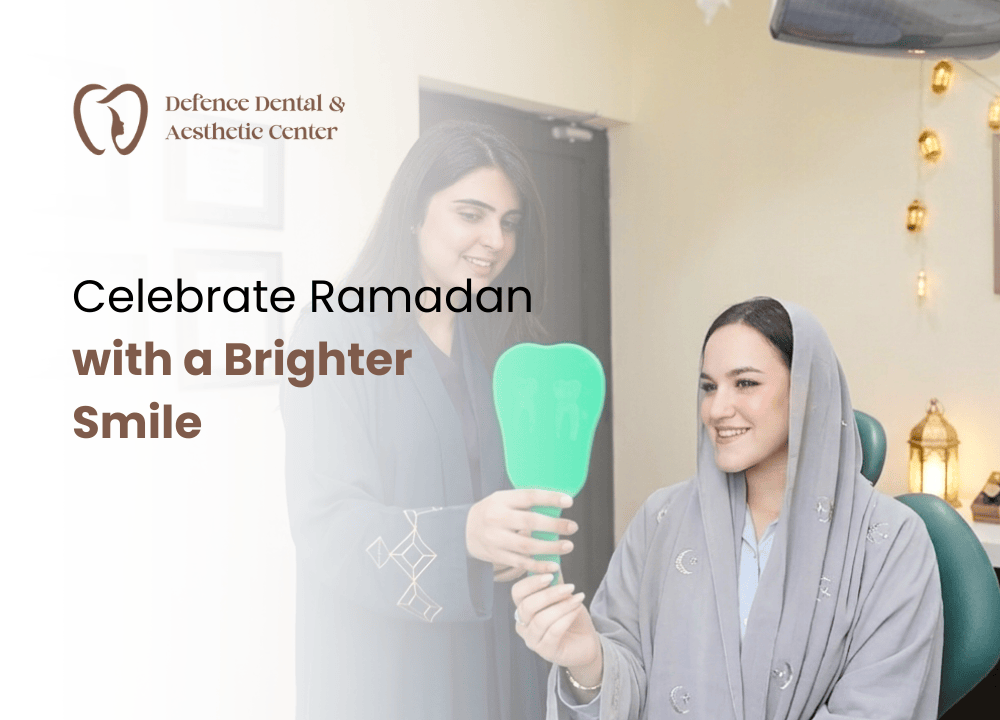
Celebrate Ramadan  with a Brighter Smile Get Started Please enable JavaScript in your browser to complete this form.Please enable JavaScript in your browser to complete this form.Name *Phone NumberEmail *Comment or Message Submit Top Dental Treatments in Ramadan at DDAC Ramadan is a month of reflection, renewal and discipline. While spiritual well-being takes priority, oral health is often unintentionally neglected during long fasting hours. Reduced hydration, changes in eating habits and altered brushing routines can affect your teeth and gums. Understanding the Top Dental Treatments in Ramadan allows you to maintain a healthy, confident smile while preparing calmly for Eid. Instead of waiting until the final days before celebrations, early planning ensures safe, effective and comfortable results. At DDAC, we guide patients through professional dental care that aligns with Ramadan routines while prioritizing long-term oral health. Read More: Eid Glow Guide: Skin and Smile Preparation at DDAC Why Oral Health Requires Extra Attention in Ramadan During fasting, saliva production decreases, which can increase dryness and plaque accumulation. Evening meals may include sweets, coffee and rich foods that contribute to staining and bacterial growth. When oral hygiene timing shifts, minor issues can become noticeable. Common concerns patients experience include: Dry mouth Surface stains Plaque buildup Gum tenderness Persistent bad breath Addressing these concerns through the Top Dental Treatments in Ramadan helps prevent complications and ensures your smile looks refreshed before Eid gatherings. Read More: Pigmentation in Pakistani Skin: Causes and Treatments 1. Professional Scaling and Polishing Among the top dental treatments in Ramadan, professional scaling and polishing remain the most important. Plaque gradually hardens into tartar, which cannot be removed by brushing alone. During Ramadan, inconsistent brushing schedules may accelerate buildup. Professional scaling removes these hardened deposits, while polishing smoothens enamel and restores its natural shine. Benefits include: Cleaner teeth Healthier gums Fresher breath Improved brightness Better preparation for whitening Scaling and polishing create the foundation for any cosmetic improvement and are completely safe during Ramadan. For patient convenience, DDAC offers post-Iftar appointments from 7 PM to 9 PM, allowing you to schedule treatments comfortably after breaking your fast. Including scaling in the Top Dental Treatments in Ramadan ensures your smile starts with cleanliness and health. 2. Professional Teeth Whitening Another popular choice within the Top Dental Treatments in Ramadan is professional teeth whitening. Frequent coffee, desserts and festive meals can cause visible staining. While many people turn to social media whitening trends, professional whitening provides controlled shade enhancement under dental supervision. At DDAC, whitening procedures are customized according to tooth shade, sensitivity level and oral health status. Every case is evaluated carefully to ensure suitability and comfort. Whitening should ideally be scheduled one to two weeks before Eid. This allows shade stabilization and ensures any temporary sensitivity settles naturally. Patients who prefer evening visits can benefit from DDAC’s 7 PM to 9 PM post-Iftar timings, making whitening appointments more convenient during Ramadan. When performed responsibly, whitening becomes a safe and effective part of the Top Dental Treatments in Ramadan. 3. Clear Aligner Treatment Ramadan is also a meaningful time to begin long-term personal improvements. For individuals concerned about crowding, spacing or mild alignment issues, clear aligners provide a discreet, modern solution. Clear aligners are removable, comfortable and designed to gradually reposition teeth without the appearance of traditional braces. Starting treatment during Ramadan allows patients to: Begin smile transformation before Eid Plan orthodontic correction without rush Improve alignment gradually Work toward long-term confidence Aligner consultations can also be scheduled during DDAC’s 7 PM to 9 PM post-Iftar hours, ensuring flexibility for working professionals and families. Although aligners do not deliver instant cosmetic changes before Eid, initiating therapy during this season sets the stage for lasting improvement. For patients thinking beyond short-term brightness, clear aligners represent one of the Top Dental Treatments in Ramadan. 4. Gum Health Assessment Healthy gums support both comfort and aesthetics. Reduced hydration during fasting can sometimes lead to gum irritation or sensitivity. A professional gum evaluation identifies early inflammation, plaque retention and minor concerns before they progress. Combined with scaling, this assessment forms an essential part of the Top Dental Treatments in Ramadan. Evening appointments from 7 PM to 9 PM allow patients to address gum health comfortably after Iftar. 5. Preventive Dental Checkups Routine dental examinations are often delayed until discomfort appears. Ramadan provides an opportunity to schedule preventive care proactively. A comprehensive exam can detect: Early cavities Enamel wear Bite irregularities Gum inflammation Plaque retention areas Preventive care reduces the risk of unexpected dental pain before Eid and remains one of the most important Top Dental Treatments in Ramadan. Read More: Top 3 Skin Treatments for a Glow‑Up Before Big Events Ramadan Special: 20% Off Dental Treatments at DDAC To encourage proactive oral care, DDAC is offering a Ramadan special with 20% off on all dental treatments. This includes scaling and polishing, professional teeth whitening and aligner consultations. This limited-time benefit allows patients to follow the Top Dental Treatments in Ramadan while receiving expert care at exceptional value. Early booking is recommended, as appointment slots become limited closer to Eid. Combined with convenient 7 PM to 9 PM post-Iftar timings, this Ramadan offer makes it easier to prioritize your smile without disrupting your fasting schedule. Planning Your Ramadan Smile Strategy The key to success is structured timing. Avoid waiting until the final week before Eid, when availability becomes limited. A practical schedule may include: Early Ramadan: Comprehensive assessment and scaling Mid Ramadan: Whitening session, if desired Throughout Ramadan: Begin aligner treatment planning Following this pathway ensures the Top Dental Treatments in Ramadan deliver predictable, comfortable results without last-minute stress. Read More: Chemical Peels 101: Choosing the Right Peel for Your Skin A Season of Renewal and Confidence Ramadan represents renewal not only spiritually but personally. Caring for your oral health reflects discipline and self-respect. Clean teeth, healthy gums and aligned smiles enhance both comfort and confidence during Eid gatherings. The Top Dental Treatments in Ramadan focus on maintenance, brightness and long-term improvement. Scaling restores

Pigmentation Treatment
Blog

Pigmentation Treatment in Pakistan

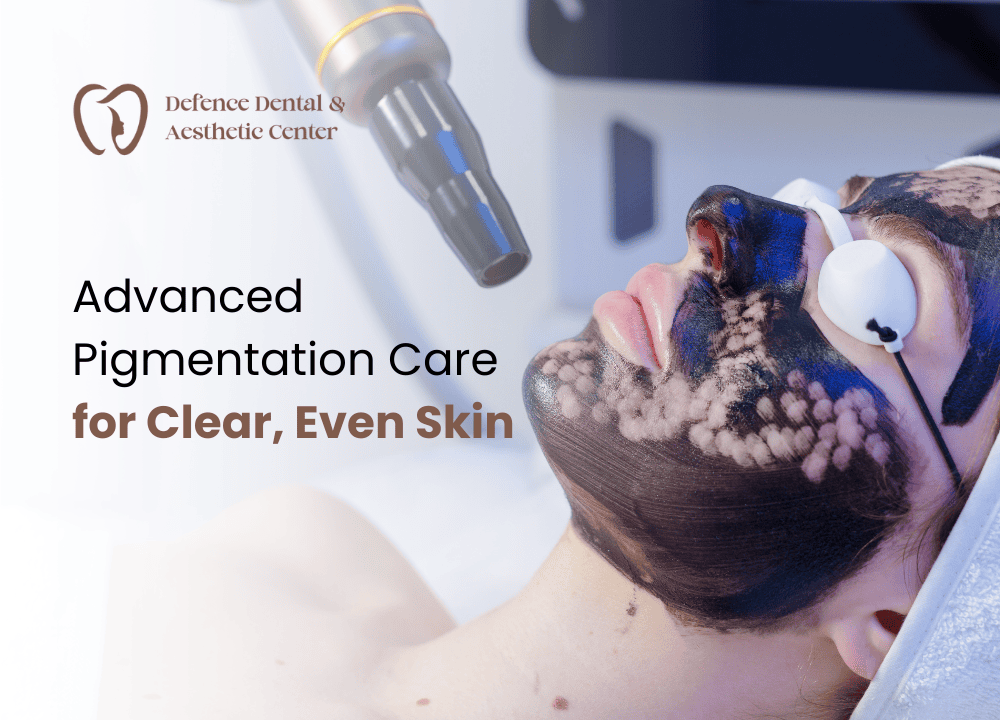
Advanced Pigmentation Care for Clear, Even Skin Get Started Please enable JavaScript in your browser to complete this form.Please enable JavaScript in your browser to complete this form.Name *Phone NumberEmail *Comment or Message Submit Pigmentation in Pakistani Skin: Causes and Treatments Skin pigmentation concerns are extremely common in Pakistan, especially among individuals with deeper skin tones. From melasma and acne marks to stubborn dark patches, pigmentation on face can affect confidence and overall skin clarity. Understanding skin pigmentation, its triggers, and safe treatment options is essential for achieving long-term results. At DDAC (Defence Dental & Aesthetics Center), we provide medically guided Skin Treatments and Skin Rejuvenation solutions tailored for Pakistani skin. This guide explores Types of Pigmentation, pigmentation Causes and Risk Factors, pigmentation Symptoms and Appearance, and advanced Pigmentation Treatment and Management options including Exosomes Therapy. What is Skin Pigmentation? Skin pigmentation refers to the natural coloring of your skin determined by melanin. When melanin production becomes uneven or excessive, darker patches or spots develop. In Pakistani skin types, pigment-producing cells are highly responsive. Even mild sun exposure or inflammation can trigger visible pigmentation on face and body. Read More: Chemical Peels 101: Choosing the Right Peel for Your Skin Types of Pigmentation Common in Pakistan Understanding the Types of Pigmentation helps determine the correct management approach. 1. Melasma Melasma appears as symmetrical brown or grayish patches, usually on cheeks, forehead, or upper lip. It is commonly linked to sun exposure and hormonal shifts. 2. Post-Inflammatory Hyperpigmentation (PIH) This occurs after acne, irritation, burns, or skin trauma. Dark marks remain even after the initial inflammation heals. 3. Sunspots (Lentigines) Caused by long-term UV exposure, these flat brown spots develop on sun-exposed areas like face and hands. 4. Periorbital Hyperpigmentation Dark circles may result from pigment, vascular visibility, or genetics. In Pakistani skin, multiple factors often overlap. Each type requires customized Pigmentation Treatment and Management for optimal results. Read More: Top 3 Skin Treatments for a Glow‑Up Before Big Events Pigmentation Causes and Risk Factors Understanding pigmentation Causes and Risk Factors helps prevent worsening of pigmentation. Sun Exposure UV radiation stimulates melanin production and worsens existing pigmentation on face. Hormonal Changes Hormonal fluctuations may increase pigment activity. Genetics Family history plays a strong role in melasma development. Skin Inflammation Acne, harsh cosmetic treatments, and skin injury can trigger pigmentation. Aging Cumulative sun exposure over time leads to uneven tone and dark patches. Pigmentation Symptoms and Appearance Recognizing pigmentation Symptoms and Appearance ensures timely care. Common signs include: Brown or gray patches Uneven skin tone Dark spots after acne Pigment that deepens with sun exposure Symmetrical facial discoloration Pigmentation on face may gradually intensify without proper protection. Pigmentation Treatment and Management Effective Pigmentation Treatment and Management focuses on controlled skin renewal and protection. 1. Daily Sun Protection Broad-spectrum sunscreen is essential to prevent further darkening. Protective clothing and shade are equally important. 2. Professional Skin Treatments In-clinic Skin Treatments offer safer and more effective results for moderate to severe pigmentation. Advanced Skin Treatments at DDAC At DDAC (Defence Dental & Aesthetics Center), every pigmentation plan begins with detailed skin analysis. Chemical Peels Superficial peels gently remove pigmented surface cells and promote brighter skin tone. Laser Therapy Low-energy pigment-targeting lasers help break down excess melanin safely in darker skin types. Pigmentation in Pakistani Skin: Causes and Treatments

Ramadan Self Care
Blog

Ramadan Self-Care Guide: Dental & Skin Health During Fasting

Your Ramadan Glow Starts with Self-Care Get Started Please enable JavaScript in your browser to complete this form.Please enable JavaScript in your browser to complete this form.Name *Phone NumberEmail *Comment or Message Submit Ramadan Self-Care Guide: Dental & Skin Health During Fasting Ramadan is a month of reflection, discipline and spiritual growth. While fasting brings many emotional and physical benefits, long hours without food and water can influence your dental and skin health in subtle but noticeable ways. Dry mouth, bad breath, dull complexion and breakouts are common concerns during this period. A structured self-care routine helps prevent these issues and supports overall well-being. By adjusting daily habits and focusing on hydration, hygiene and protective care, you can maintain a healthy smile and balanced skin throughout the month of fasting. Read More: Chemical Peels 101: Choosing the Right Peel for Your Skin How Fasting Affects Dental Health When you fast, saliva production naturally decreases. Saliva helps neutralize acids and control bacteria inside the mouth. Reduced moisture can increase plaque buildup and cause temporary bad breath. To protect your dental health during Ramadan: Brush thoroughly in suhoor and after iftar Clean your tongue gently to reduce odor Floss daily to remove trapped food particles Drink sufficient water between iftar and suhoor Maintaining a consistent oral hygiene routine prevents unnecessary complications. Managing Bad Breath During Ramadan Bad breath during fasting is often caused by dry mouth rather than poor hygiene. As the body uses stored energy, natural odor may develop. Helpful habits include: Staying hydrated after breaking the fast Avoiding excessive sugary drinks Eating fiber-rich foods at suhoor Scheduling professional cleaning if needed Simple preventive steps can significantly improve comfort and confidence. Read More: Top 3 Skin Treatments for a Glow‑Up Before Big Events How Fasting Impacts Skin Health Skin health during Ramadan is influenced by hydration levels, sleep patterns and dietary choices. Reduced water intake during daylight hours can make skin appear dull or tired. Late-night routines may also disrupt the natural repair cycle. Common skin concerns include: Dryness or tightness Uneven tone Increased pigmentation Occasional breakouts Balanced hydration and gentle care help maintain skin stability. Ramadan Skincare Routine A simplified routine works best during fasting. Morning (After Suhoor) Gentle cleansing Lightweight moisturizer Broad-spectrum sunscreen Even limited sun exposure can worsen pigmentation, so daily protection remains important. Evening (After Iftar) Mild cleansing Hydrating serum Barrier-supporting moisturizer Consistency is more effective than frequent product changes. Read More: Skin Rejuvenation with Exosomes Therapy Events Professional Care During Ramadan Many people delay dental or skin appointments during fasting. However, non-invasive procedures and preventive visits can still be planned responsibly. Professional options may include: Routine dental cleaning Hydrating skin treatments Gentle exfoliation sessions Skin rejuvenation procedures scheduled after iftar Consultation ensures that treatments align comfortably with fasting hours. Preparing for Eid: Smile & Skin Planning Ramadan is also a preparation period before Eid celebrations. Planning early allows gradual improvement without last-minute stress. Patients often consider: Professional polishing or whitening Deep cleansing facials Structured skin rejuvenation sessions Early scheduling provides adequate recovery time and better results. Long-Term Self-Care Beyond Ramadan The habits developed during Ramadan can continue throughout the year. Regular hydration, consistent oral hygiene and sun protection form the foundation of both dental and skin health. A preventive mindset reduces the need for corrective procedures later. Final Thoughts Ramadan self-care is about balance. By maintaining structured dental hygiene and supporting your skin with hydration and protective care, you can stay comfortable and confident throughout the fasting month. Small, consistent habits protect your smile and enhance your natural glow while honoring the spiritual essence of Ramadan. Ramadan Self-Care Guide: Dental & Skin Health During Fasting – Defence Dental & Aesthetics Center (DDAC)

chemical peels treatment
Blog

Chemical Peels 101. Choosing the Right Peel for Your Skin

Personalized Chemical Peels for Healthy Radiant Skin Get Started Please enable JavaScript in your browser to complete this form.Please enable JavaScript in your browser to complete this form.Name *Phone NumberEmail *Comment or Message Submit Chemical Peels 101: Choosing the Right Peel for Your Skin Chemical peels are among the most versatile and effective clinical skin treatments available today. They provide visible improvements to texture, tone, pigmentation, acne scars, early aging signs and more. For patients seeking radiant, refreshed and youthful skin, understanding how peels work and selecting the right peel for individual needs is essential. At Defence Dental & Aesthetics Center (DDAC), we guide patients through this process with clinical precision, personalized assessment and evidence-based treatment planning. Chemical peels are not one-size-fits-all. The right peel for you depends on your skin type, concerns, goals and lifestyle. This article covers everything from how peels work to choosing the best option for your needs, delivered in patient-friendly language with expert insights from dermatology practice. What Are Chemical Peels and How Do They Work? A chemical peel is a cosmetic skin-resurfacing procedure that uses chemical solutions to remove damaged outer layers of skin. These solutions create a controlled exfoliation, prompting the skin to shed old cells and reveal newer, healthier skin beneath.  During a peel, a licensed clinician applies a specific chemical solution to the face or treatment area. This solution causes the outer layers of the epidermis to peel away, allowing fresh skin cells to surface and improve overall texture, clarity and brightness.  Peels are often used to address: Hyperpigmentation and sun damage Fine lines and early aging signs Acne and acne scars Uneven skin tone and rough texture Dull or tired-looking skin  By removing surface damage, chemical peels help stimulate collagen production and cellular turnover, leading to more youthful and luminous skin. Types of Chemical Peels  Chemical peels are typically categorized by how deeply they penetrate the skin. Each type is suited to specific concerns and results. Superficial Peels  Superficial or “light” peels remove only the outermost layer of the epidermis. They are generally well tolerated by most skin types and require minimal downtime. These peels use mild acids such as alpha-hydroxy acids (AHA) like glycolic or lactic acid.  Best For: Mild fine lines Uneven skin tone Acne and dry skin Dull complexion Recovery: 1–7 days, with slight redness or flaking. Because superficial peels are gentle, they can be repeated regularly (every 2–5 weeks) to maintain glow and refine texture.  Medium Chemical Peels Medium peels penetrate deeper into the outer and upper dermis. They are effective for addressing moderate wrinkles, sun-related discoloration and acne scars. Trichloroacetic acid (TCA) is a common agent used in this category.  Benefits: Smoother, more even tone Reduced visibility of scars Noticeable texture improvement Recovery: Several days of redness, peeling and swelling. These peels deliver stronger outcomes but require recovery planning and professional care. Deep Chemical Peels  Deep peels penetrate far into the dermis and provide dramatic rejuvenation. They are used to treat deep wrinkles, significant sun damage, extensive scarring and precancerous skin lesions. Phenol is often used in deep peels.  Results: Strong textural and tone changes Long-lasting effects for severe concerns Recovery: Extended downtime with significant peeling, redness and sensitivity; often performed under sedation or local anesthesia.  Deep peels are recommended only after careful clinical evaluation and consideration of health history. How Chemical Peels Improve Your Skin  Chemical peels offer a range of benefits by improving skin physiology and appearance: Enhanced Texture: Peeling away dead skin reveals smoother, softer skin beneath.  Even Tone: Peels reduce pigmentation irregularities and melasma. Reduced Acne and Scars: Certain acids help unclog pores and fade marks.  Fine Line Softening: Deeper peels stimulate collagen aiding mild wrinkle reduction. Brighter Skin: Removing damaged layers revives radiance.  These benefits depend on peel strength, skin type and post-treatment care. Choosing the Right Peel for Your Skin Selecting the correct peel involves understanding your skin’s needs and sensitivity. It’s not just about potency — it’s about matching treatment depth to target goals. 1. Aging and Sun-Damaged Skin  For sunspots, age spots and textural irregularities caused by sun exposure, medium to deep peels may be recommended. These peels help break down pigmentation and stimulate new collagen.  2. Oily or Acne-Prone Skin Peels with beta-hydroxy acids like salicylic acid can penetrate pores to reduce oil buildup and breakouts.  3. Dry or Sensitive Skin  For sensitive skin, light peels using gentler acids such as lactic acid are better choices. They exfoliate mildly while promoting moisture balance.  Preparing for a Chemical Peel Proper preparation reduces risk and enhances outcomes. Sun Protection: Minimize direct sun exposure for weeks before treatment.  Pre-Treatment Products: Sometimes retinoids or hydroquinone creams are used before deeper peels.  Avoid Irritants: Stop exfoliants and strong topicals days before treatment. Medical Disclosure: Share your medical history and medications with your clinician.  What to Expect During the Procedure Chemical peel procedures are typically done in a clinical setting. Skin is cleansed and protective measures are applied. Solutions are applied using brushes, pads or gauze and left for specific times based on strength.  Recovery and Aftercare  Recovery varies by peel type: Light Peels: Mild flaking and redness for a few days.  Medium Peels: Several days of peeling, possible redness and moderate down time.  Deep Peels: Extended redness, significant peeling and careful aftercare.  Aftercare includes daily sunscreen, gentle moisturizers and avoiding harsh products until fully healed. Risks and Considerations  Chemical peels are generally safe when performed by trained professionals. However potential side effects include temporary redness, irritation, pigmentation changes and in rare cases infection or scarring. Deep peels carry higher risks and may require anesthesia.  People with darker skin tones should be monitored closely due to the increased risk of post-inflammatory pigmentation. Chemical Peels and Other Aesthetic Treatments  Chemical peels can be part of a broader aesthetic plan at DDAC, often complementing: Hydrafacial for deep cleansing and hydration RF Microneedling for tightening and texture improvement Exosomes Therapy for enhanced cellular rejuvenation Microneedling for scar and fine line improvement Botox treatment for

Scroll to Top