

Eid Glow Guide: Skin and Smile Preparation at DDAC
Your Eid Glow Guide begins at DDAC. Enjoy 15% off aesthetics and 20% off dental treatments under our Ramadan Deal.

Your Eid Glow Guide begins at DDAC. Enjoy 15% off aesthetics and 20% off dental treatments under our Ramadan Deal.
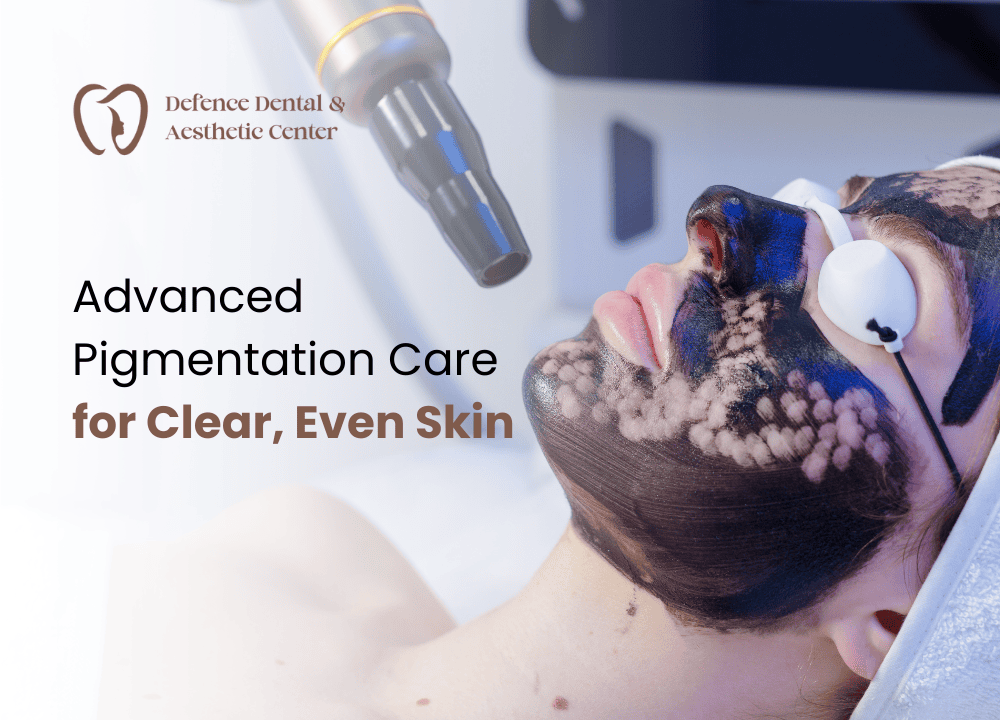
Advanced Pigmentation Care for Clear, Even Skin Get Started Please enable JavaScript in your browser to complete this form.Please enable JavaScript in your browser to complete this form.Name *Phone NumberEmail *Comment or Message Submit Pigmentation in Pakistani Skin: Causes and Treatments Skin pigmentation concerns are extremely common in Pakistan, especially among individuals with deeper skin tones. From melasma and acne marks to stubborn dark patches, pigmentation on face can affect confidence and overall skin clarity. Understanding skin pigmentation, its triggers, and safe treatment options is essential for achieving long-term results. At DDAC (Defence Dental & Aesthetics Center), we provide medically guided Skin Treatments and Skin Rejuvenation solutions tailored for Pakistani skin. This guide explores Types of Pigmentation, pigmentation Causes and Risk Factors, pigmentation Symptoms and Appearance, and advanced Pigmentation Treatment and Management options including Exosomes Therapy. What is Skin Pigmentation? Skin pigmentation refers to the natural coloring of your skin determined by melanin. When melanin production becomes uneven or excessive, darker patches or spots develop. In Pakistani skin types, pigment-producing cells are highly responsive. Even mild sun exposure or inflammation can trigger visible pigmentation on face and body. Read More: Chemical Peels 101: Choosing the Right Peel for Your Skin Types of Pigmentation Common in Pakistan Understanding the Types of Pigmentation helps determine the correct management approach. 1. Melasma Melasma appears as symmetrical brown or grayish patches, usually on cheeks, forehead, or upper lip. It is commonly linked to sun exposure and hormonal shifts. 2. Post-Inflammatory Hyperpigmentation (PIH) This occurs after acne, irritation, burns, or skin trauma. Dark marks remain even after the initial inflammation heals. 3. Sunspots (Lentigines) Caused by long-term UV exposure, these flat brown spots develop on sun-exposed areas like face and hands. 4. Periorbital Hyperpigmentation Dark circles may result from pigment, vascular visibility, or genetics. In Pakistani skin, multiple factors often overlap. Each type requires customized Pigmentation Treatment and Management for optimal results. Read More: Top 3 Skin Treatments for a Glow‑Up Before Big Events Pigmentation Causes and Risk Factors Understanding pigmentation Causes and Risk Factors helps prevent worsening of pigmentation. Sun Exposure UV radiation stimulates melanin production and worsens existing pigmentation on face. Hormonal Changes Hormonal fluctuations may increase pigment activity. Genetics Family history plays a strong role in melasma development. Skin Inflammation Acne, harsh cosmetic treatments, and skin injury can trigger pigmentation. Aging Cumulative sun exposure over time leads to uneven tone and dark patches. Pigmentation Symptoms and Appearance Recognizing pigmentation Symptoms and Appearance ensures timely care. Common signs include: Brown or gray patches Uneven skin tone Dark spots after acne Pigment that deepens with sun exposure Symmetrical facial discoloration Pigmentation on face may gradually intensify without proper protection. Pigmentation Treatment and Management Effective Pigmentation Treatment and Management focuses on controlled skin renewal and protection. 1. Daily Sun Protection Broad-spectrum sunscreen is essential to prevent further darkening. Protective clothing and shade are equally important. 2. Professional Skin Treatments In-clinic Skin Treatments offer safer and more effective results for moderate to severe pigmentation. Advanced Skin Treatments at DDAC At DDAC (Defence Dental & Aesthetics Center), every pigmentation plan begins with detailed skin analysis. Chemical Peels Superficial peels gently remove pigmented surface cells and promote brighter skin tone. Laser Therapy Low-energy pigment-targeting lasers help break down excess melanin safely in darker skin types. Pigmentation in Pakistani Skin: Causes and Treatments
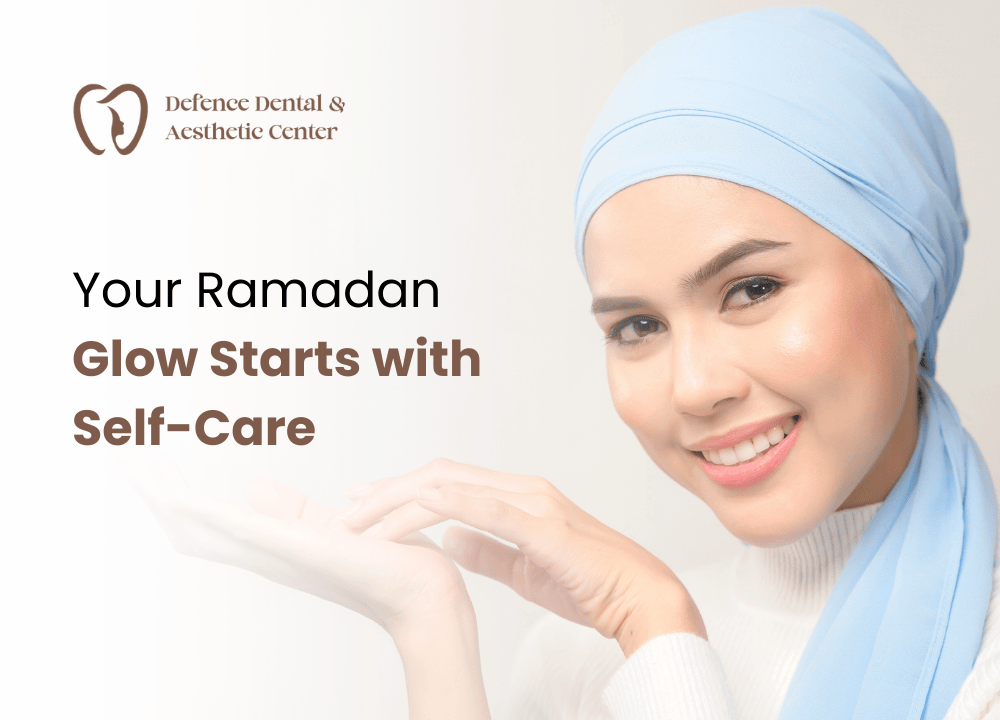
Your Ramadan Glow Starts with Self-Care Get Started Please enable JavaScript in your browser to complete this form.Please enable JavaScript in your browser to complete this form.Name *Phone NumberEmail *Comment or Message Submit Ramadan Self-Care Guide: Dental & Skin Health During Fasting Ramadan is a month of reflection, discipline and spiritual growth. While fasting brings many emotional and physical benefits, long hours without food and water can influence your dental and skin health in subtle but noticeable ways. Dry mouth, bad breath, dull complexion and breakouts are common concerns during this period. A structured self-care routine helps prevent these issues and supports overall well-being. By adjusting daily habits and focusing on hydration, hygiene and protective care, you can maintain a healthy smile and balanced skin throughout the month of fasting. Read More: Chemical Peels 101: Choosing the Right Peel for Your Skin How Fasting Affects Dental Health When you fast, saliva production naturally decreases. Saliva helps neutralize acids and control bacteria inside the mouth. Reduced moisture can increase plaque buildup and cause temporary bad breath. To protect your dental health during Ramadan: Brush thoroughly in suhoor and after iftar Clean your tongue gently to reduce odor Floss daily to remove trapped food particles Drink sufficient water between iftar and suhoor Maintaining a consistent oral hygiene routine prevents unnecessary complications. Managing Bad Breath During Ramadan Bad breath during fasting is often caused by dry mouth rather than poor hygiene. As the body uses stored energy, natural odor may develop. Helpful habits include: Staying hydrated after breaking the fast Avoiding excessive sugary drinks Eating fiber-rich foods at suhoor Scheduling professional cleaning if needed Simple preventive steps can significantly improve comfort and confidence. Read More: Top 3 Skin Treatments for a Glow‑Up Before Big Events How Fasting Impacts Skin Health Skin health during Ramadan is influenced by hydration levels, sleep patterns and dietary choices. Reduced water intake during daylight hours can make skin appear dull or tired. Late-night routines may also disrupt the natural repair cycle. Common skin concerns include: Dryness or tightness Uneven tone Increased pigmentation Occasional breakouts Balanced hydration and gentle care help maintain skin stability. Ramadan Skincare Routine A simplified routine works best during fasting. Morning (After Suhoor) Gentle cleansing Lightweight moisturizer Broad-spectrum sunscreen Even limited sun exposure can worsen pigmentation, so daily protection remains important. Evening (After Iftar) Mild cleansing Hydrating serum Barrier-supporting moisturizer Consistency is more effective than frequent product changes. Read More: Skin Rejuvenation with Exosomes Therapy Events Professional Care During Ramadan Many people delay dental or skin appointments during fasting. However, non-invasive procedures and preventive visits can still be planned responsibly. Professional options may include: Routine dental cleaning Hydrating skin treatments Gentle exfoliation sessions Skin rejuvenation procedures scheduled after iftar Consultation ensures that treatments align comfortably with fasting hours. Preparing for Eid: Smile & Skin Planning Ramadan is also a preparation period before Eid celebrations. Planning early allows gradual improvement without last-minute stress. Patients often consider: Professional polishing or whitening Deep cleansing facials Structured skin rejuvenation sessions Early scheduling provides adequate recovery time and better results. Long-Term Self-Care Beyond Ramadan The habits developed during Ramadan can continue throughout the year. Regular hydration, consistent oral hygiene and sun protection form the foundation of both dental and skin health. A preventive mindset reduces the need for corrective procedures later. Final Thoughts Ramadan self-care is about balance. By maintaining structured dental hygiene and supporting your skin with hydration and protective care, you can stay comfortable and confident throughout the fasting month. Small, consistent habits protect your smile and enhance your natural glow while honoring the spiritual essence of Ramadan. Ramadan Self-Care Guide: Dental & Skin Health During Fasting – Defence Dental & Aesthetics Center (DDAC)

Personalized Chemical Peels for Healthy Radiant Skin Get Started Please enable JavaScript in your browser to complete this form.Please enable JavaScript in your browser to complete this form.Name *Phone NumberEmail *Comment or Message Submit Chemical Peels 101: Choosing the Right Peel for Your Skin Chemical peels are among the most versatile and effective clinical skin treatments available today. They provide visible improvements to texture, tone, pigmentation, acne scars, early aging signs and more. For patients seeking radiant, refreshed and youthful skin, understanding how peels work and selecting the right peel for individual needs is essential. At Defence Dental & Aesthetics Center (DDAC), we guide patients through this process with clinical precision, personalized assessment and evidence-based treatment planning. Chemical peels are not one-size-fits-all. The right peel for you depends on your skin type, concerns, goals and lifestyle. This article covers everything from how peels work to choosing the best option for your needs, delivered in patient-friendly language with expert insights from dermatology practice. What Are Chemical Peels and How Do They Work? A chemical peel is a cosmetic skin-resurfacing procedure that uses chemical solutions to remove damaged outer layers of skin. These solutions create a controlled exfoliation, prompting the skin to shed old cells and reveal newer, healthier skin beneath. During a peel, a licensed clinician applies a specific chemical solution to the face or treatment area. This solution causes the outer layers of the epidermis to peel away, allowing fresh skin cells to surface and improve overall texture, clarity and brightness. Peels are often used to address: Hyperpigmentation and sun damage Fine lines and early aging signs Acne and acne scars Uneven skin tone and rough texture Dull or tired-looking skin By removing surface damage, chemical peels help stimulate collagen production and cellular turnover, leading to more youthful and luminous skin. Types of Chemical Peels Chemical peels are typically categorized by how deeply they penetrate the skin. Each type is suited to specific concerns and results. Superficial Peels Superficial or “light” peels remove only the outermost layer of the epidermis. They are generally well tolerated by most skin types and require minimal downtime. These peels use mild acids such as alpha-hydroxy acids (AHA) like glycolic or lactic acid. Best For: Mild fine lines Uneven skin tone Acne and dry skin Dull complexion Recovery: 1–7 days, with slight redness or flaking. Because superficial peels are gentle, they can be repeated regularly (every 2–5 weeks) to maintain glow and refine texture. Medium Chemical Peels Medium peels penetrate deeper into the outer and upper dermis. They are effective for addressing moderate wrinkles, sun-related discoloration and acne scars. Trichloroacetic acid (TCA) is a common agent used in this category. Benefits: Smoother, more even tone Reduced visibility of scars Noticeable texture improvement Recovery: Several days of redness, peeling and swelling. These peels deliver stronger outcomes but require recovery planning and professional care. Deep Chemical Peels Deep peels penetrate far into the dermis and provide dramatic rejuvenation. They are used to treat deep wrinkles, significant sun damage, extensive scarring and precancerous skin lesions. Phenol is often used in deep peels. Results: Strong textural and tone changes Long-lasting effects for severe concerns Recovery: Extended downtime with significant peeling, redness and sensitivity; often performed under sedation or local anesthesia. Deep peels are recommended only after careful clinical evaluation and consideration of health history. How Chemical Peels Improve Your Skin Chemical peels offer a range of benefits by improving skin physiology and appearance: Enhanced Texture: Peeling away dead skin reveals smoother, softer skin beneath. Even Tone: Peels reduce pigmentation irregularities and melasma. Reduced Acne and Scars: Certain acids help unclog pores and fade marks. Fine Line Softening: Deeper peels stimulate collagen aiding mild wrinkle reduction. Brighter Skin: Removing damaged layers revives radiance. These benefits depend on peel strength, skin type and post-treatment care. Choosing the Right Peel for Your Skin Selecting the correct peel involves understanding your skin’s needs and sensitivity. It’s not just about potency — it’s about matching treatment depth to target goals. 1. Aging and Sun-Damaged Skin For sunspots, age spots and textural irregularities caused by sun exposure, medium to deep peels may be recommended. These peels help break down pigmentation and stimulate new collagen. 2. Oily or Acne-Prone Skin Peels with beta-hydroxy acids like salicylic acid can penetrate pores to reduce oil buildup and breakouts. 3. Dry or Sensitive Skin For sensitive skin, light peels using gentler acids such as lactic acid are better choices. They exfoliate mildly while promoting moisture balance. Preparing for a Chemical Peel Proper preparation reduces risk and enhances outcomes. Sun Protection: Minimize direct sun exposure for weeks before treatment. Pre-Treatment Products: Sometimes retinoids or hydroquinone creams are used before deeper peels. Avoid Irritants: Stop exfoliants and strong topicals days before treatment. Medical Disclosure: Share your medical history and medications with your clinician. What to Expect During the Procedure Chemical peel procedures are typically done in a clinical setting. Skin is cleansed and protective measures are applied. Solutions are applied using brushes, pads or gauze and left for specific times based on strength. Recovery and Aftercare Recovery varies by peel type: Light Peels: Mild flaking and redness for a few days. Medium Peels: Several days of peeling, possible redness and moderate down time. Deep Peels: Extended redness, significant peeling and careful aftercare. Aftercare includes daily sunscreen, gentle moisturizers and avoiding harsh products until fully healed. Risks and Considerations Chemical peels are generally safe when performed by trained professionals. However potential side effects include temporary redness, irritation, pigmentation changes and in rare cases infection or scarring. Deep peels carry higher risks and may require anesthesia. People with darker skin tones should be monitored closely due to the increased risk of post-inflammatory pigmentation. Chemical Peels and Other Aesthetic Treatments Chemical peels can be part of a broader aesthetic plan at DDAC, often complementing: Hydrafacial for deep cleansing and hydration RF Microneedling for tightening and texture improvement Exosomes Therapy for enhanced cellular rejuvenation Microneedling for scar and fine line improvement Botox treatment for

Get radiant, event-ready skin with Hydrafacial, Chemical Peel, RF Microneedling, and expert skin rejuvenation at Defence Dental & Aesthetics Center.
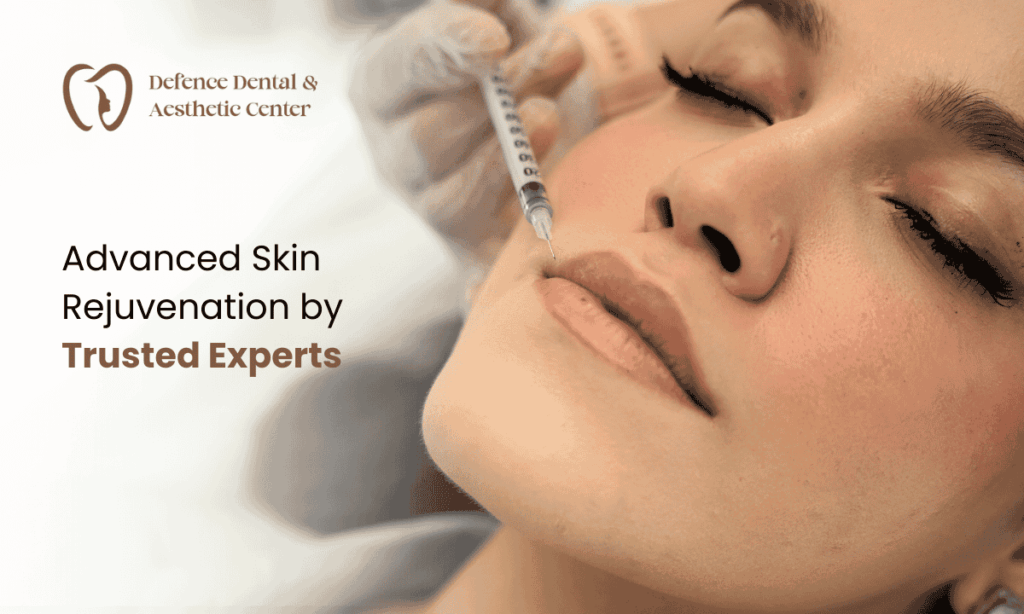
Exosomes Therapy at DDAC Lahore boosts collagen and restores youthful radiant skin with Morpheus8 Microneedling and safe Botox Treatments.

Get clear insights on the benefits side effects safety and results of laser hair removal at Defence Dental and Aesthetics Center with expert guided treatment.
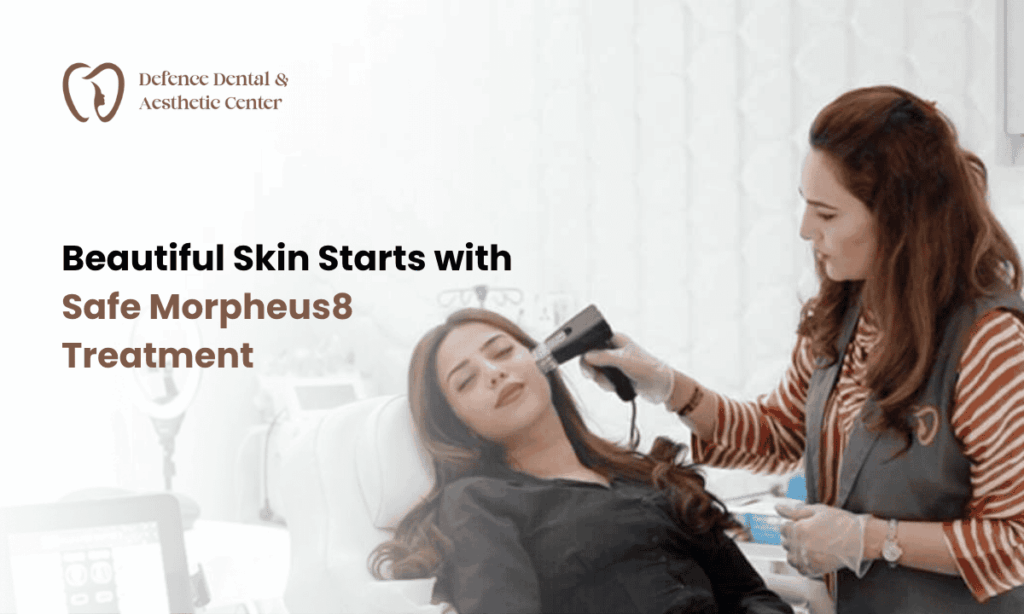
Rejuvenate your skin with microneedling. DDAC offers safe, effective microneedling for acne scars, fine lines, and glowing skin in Pakistan.