
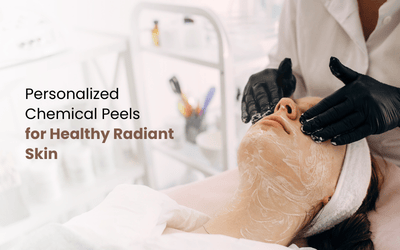
Personalized Chemical Peels
for Healthy Radiant Skin
Get Started
Chemical Peels 101: Choosing the Right Peel for Your Skin
Chemical peels are among the most versatile and effective clinical skin treatments available today. They provide visible improvements to texture, tone, pigmentation, acne scars, early aging signs and more. For patients seeking radiant, refreshed and youthful skin, understanding how peels work and selecting the right peel for individual needs is essential. At Defence Dental & Aesthetics Center (DDAC), we guide patients through this process with clinical precision, personalized assessment and evidence-based treatment planning.
Chemical peels are not one-size-fits-all. The right peel for you depends on your skin type, concerns, goals and lifestyle. This article covers everything from how peels work to choosing the best option for your needs, delivered in patient-friendly language with expert insights from dermatology practice.
What Are Chemical Peels and How Do They Work?
A chemical peel is a cosmetic skin-resurfacing procedure that uses chemical solutions to remove damaged outer layers of skin. These solutions create a controlled exfoliation, prompting the skin to shed old cells and reveal newer, healthier skin beneath.
During a peel, a licensed clinician applies a specific chemical solution to the face or treatment area. This solution causes the outer layers of the epidermis to peel away, allowing fresh skin cells to surface and improve overall texture, clarity and brightness.
Peels are often used to address:
Hyperpigmentation and sun damage
Fine lines and early aging signs
Acne and acne scars
Uneven skin tone and rough texture
Dull or tired-looking skin
By removing surface damage, chemical peels help stimulate collagen production and cellular turnover, leading to more youthful and luminous skin.
Types of Chemical Peels
Chemical peels are typically categorized by how deeply they penetrate the skin. Each type is suited to specific concerns and results.
Superficial Peels
Superficial or “light” peels remove only the outermost layer of the epidermis. They are generally well tolerated by most skin types and require minimal downtime. These peels use mild acids such as alpha-hydroxy acids (AHA) like glycolic or lactic acid.
Best For:
Mild fine lines
Uneven skin tone
Acne and dry skin
Dull complexion
Recovery: 1–7 days, with slight redness or flaking.
Because superficial peels are gentle, they can be repeated regularly (every 2–5 weeks) to maintain glow and refine texture.
Medium Chemical Peels
Medium peels penetrate deeper into the outer and upper dermis. They are effective for addressing moderate wrinkles, sun-related discoloration and acne scars. Trichloroacetic acid (TCA) is a common agent used in this category.
Benefits:
Smoother, more even tone
Reduced visibility of scars
Noticeable texture improvement
Recovery: Several days of redness, peeling and swelling.
These peels deliver stronger outcomes but require recovery planning and professional care.
Deep Chemical Peels
Deep peels penetrate far into the dermis and provide dramatic rejuvenation. They are used to treat deep wrinkles, significant sun damage, extensive scarring and precancerous skin lesions. Phenol is often used in deep peels.
Results:
Strong textural and tone changes
Long-lasting effects for severe concerns
Recovery: Extended downtime with significant peeling, redness and sensitivity; often performed under sedation or local anesthesia.
Deep peels are recommended only after careful clinical evaluation and consideration of health history.
How Chemical Peels Improve Your Skin
Chemical peels offer a range of benefits by improving skin physiology and appearance:
Enhanced Texture: Peeling away dead skin reveals smoother, softer skin beneath.
Even Tone: Peels reduce pigmentation irregularities and melasma.
Reduced Acne and Scars: Certain acids help unclog pores and fade marks.
Fine Line Softening: Deeper peels stimulate collagen aiding mild wrinkle reduction.
Brighter Skin: Removing damaged layers revives radiance.
These benefits depend on peel strength, skin type and post-treatment care.
Choosing the Right Peel for Your Skin
Selecting the correct peel involves understanding your skin’s needs and sensitivity. It’s not just about potency — it’s about matching treatment depth to target goals.
1. Aging and Sun-Damaged Skin
For sunspots, age spots and textural irregularities caused by sun exposure, medium to deep peels may be recommended. These peels help break down pigmentation and stimulate new collagen.
2. Oily or Acne-Prone Skin
Peels with beta-hydroxy acids like salicylic acid can penetrate pores to reduce oil buildup and breakouts.
3. Dry or Sensitive Skin
For sensitive skin, light peels using gentler acids such as lactic acid are better choices. They exfoliate mildly while promoting moisture balance.
Preparing for a Chemical Peel
Proper preparation reduces risk and enhances outcomes.
Sun Protection: Minimize direct sun exposure for weeks before treatment.
Pre-Treatment Products: Sometimes retinoids or hydroquinone creams are used before deeper peels.
Avoid Irritants: Stop exfoliants and strong topicals days before treatment.
Medical Disclosure: Share your medical history and medications with your clinician.
What to Expect During the Procedure
Chemical peel procedures are typically done in a clinical setting. Skin is cleansed and protective measures are applied. Solutions are applied using brushes, pads or gauze and left for specific times based on strength.
Recovery and Aftercare
Recovery varies by peel type:
Light Peels: Mild flaking and redness for a few days.
Medium Peels: Several days of peeling, possible redness and moderate down time.
Deep Peels: Extended redness, significant peeling and careful aftercare.
Aftercare includes daily sunscreen, gentle moisturizers and avoiding harsh products until fully healed.
Risks and Considerations
Chemical peels are generally safe when performed by trained professionals. However potential side effects include temporary redness, irritation, pigmentation changes and in rare cases infection or scarring. Deep peels carry higher risks and may require anesthesia.
People with darker skin tones should be monitored closely due to the increased risk of post-inflammatory pigmentation.
Chemical Peels and Other Aesthetic Treatments
Chemical peels can be part of a broader aesthetic plan at DDAC, often complementing:
Hydrafacial for deep cleansing and hydration
RF Microneedling for tightening and texture improvement
Exosomes Therapy for enhanced cellular rejuvenation
Microneedling for scar and fine line improvement
Botox treatment for dynamic wrinkles
Hydra Carbon Facial for detox and brightness
Laser hair removal to refine overall treatment outcomes
These combinations are tailored to patient goals and clinical needs.
Is a Chemical Peel Right for You?
A qualified clinician will assess your skin, goals and expectations before recommending a peel. Peels can be a cornerstone of anti-aging and rejuvenation, but patient education and realistic expectations are essential to long-term satisfaction.
End Note:
Chemical peels are powerful cosmetic skin treatments that can significantly improve texture, tone and radiance when chosen wisely and performed safely. From superficial to deep peels, each level serves distinct purposes and requires professional evaluation.
At Defence Dental & Aesthetics Center, clinical expertise and personalized care ensure that every peel is selected with the patient’s safety, skin type and results in mind. Whether you’re seeking brighter skin, reduced pigmentation or a refreshed look, understanding chemical peels empowers you to make confident and informed decisions for your skin health.